
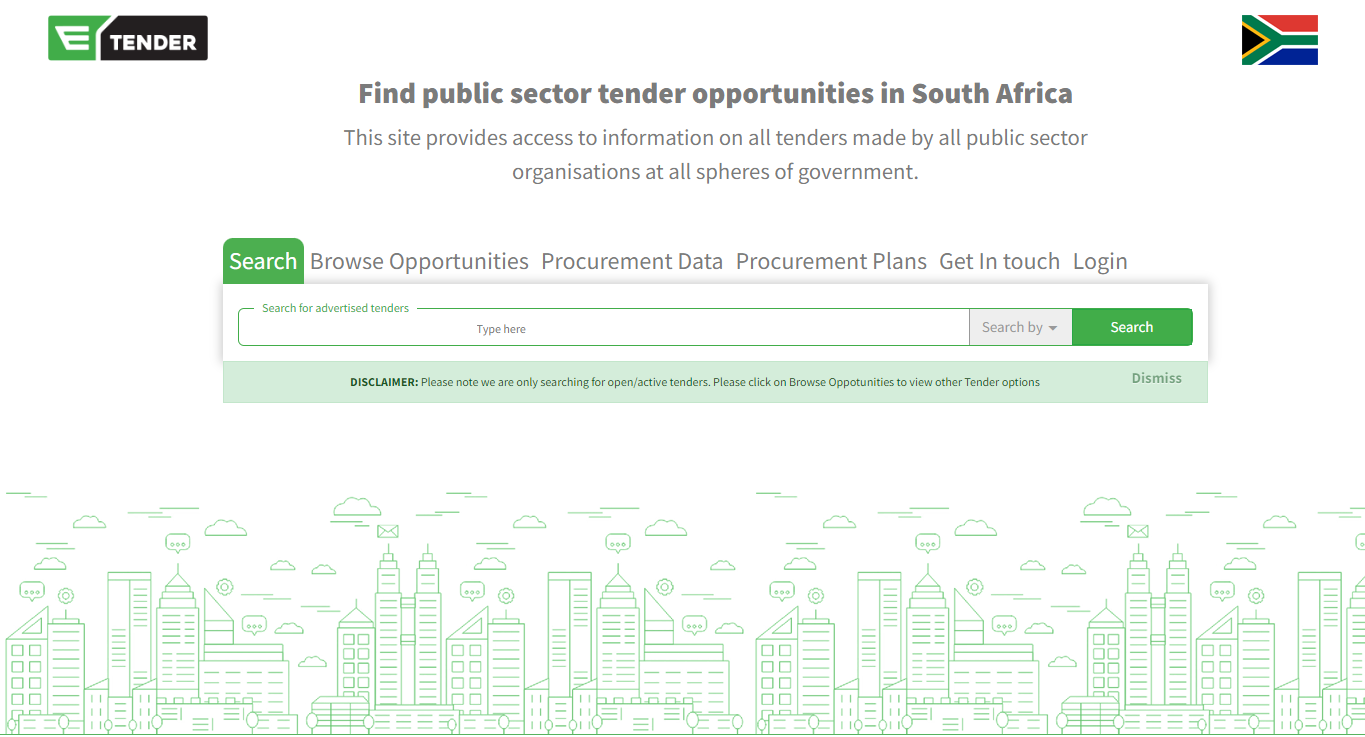
Invitation to Fake Tenders in South Africa: A Growing Concern in Public Procurement
In recent years, South Africa has witnessed a disturbing rise in fraudulent activities related to tenders. Fake tenders are not just a minor inconvenience; they represent a significant threat to the integrity of public procurement and the overall economic landscape. As businesses navigate the complexities of tendering, it’s crucial to remain vigilant against this growing menace. This article delves into the world of fake tenders, exploring their impact, how to identify them, and the steps to take to protect yourself and your business.
Understanding Tenders
Tenders play a vital role in the procurement process, allowing government bodies and organizations to solicit bids for goods and services. This system aims to ensure transparency, fairness, and competition, providing equal opportunities for all businesses to compete. However, the tendering process is susceptible to manipulation, creating an environment where fraudsters can thrive.
In South Africa, tenders are often publicly advertised through various platforms, including government websites and local newspapers. These legitimate tenders undergo strict scrutiny to ensure compliance with legal and regulatory standards. However, the complexity of the tendering process also attracts individuals and groups looking to exploit loopholes for their gain.
The Allure of Fake Tenders
Fake tenders typically present themselves as legitimate opportunities, luring businesses with promises of lucrative contracts. These fraudulent invitations often feature attractive terms that seem too good to be true, with unrealistic pricing and vague specifications. Unsuspecting companies may fall prey to these scams, investing time and resources in what turns out to be a ruse.
Fraudsters employ various tactics to create fake tenders, including using official-looking documents, counterfeit logos, and misleading contact details. Some even go as far as setting up fake websites that mimic legitimate procurement platforms. This deceptive approach can easily mislead even the most cautious business owners.
The Consequences of Fake Tenders
The impact of fake tenders extends beyond individual businesses. When companies are deceived into engaging with fake tenders, they risk financial loss and reputational damage. For instance, a business may invest significant resources in preparing a tender submission, only to find out later that the opportunity was fraudulent. This can lead to lost revenue and valuable time that could have been spent pursuing legitimate contracts.
Moreover, the erosion of trust in the tendering process affects the entire economy. Legitimate businesses may hesitate to participate in future tenders due to fear of fraud, leading to reduced competition and innovation. Public resources may also be diverted away from legitimate projects, hindering development and service delivery.
Recognizing the Red Flags
To protect yourself and your business from falling victim to fake tenders, it’s essential to be aware of the warning signs:
- Unrealistic Pricing: If the tender price is significantly lower than industry standards, it’s a red flag. Legitimate tenders usually reflect market rates.
- Poor Documentation: Authentic tenders come with comprehensive documentation. Be wary of vague or incomplete details, such as missing terms and conditions.
- Lack of Contact Information: Legitimate organizations will provide clear contact information for inquiries. If contact details are vague or non-existent, consider it a warning sign.
- Pressure to Act Quickly: Fraudsters often create a sense of urgency to rush businesses into making decisions without proper due diligence. If you’re pressured to submit bids or payments hastily, take a step back.
- Suspicious Email Addresses: Check the email domains of any correspondence. Legitimate organizations typically use official domains, not generic email providers like Gmail or Yahoo.
Reporting and Preventing Fraud
If you encounter a suspected fake tender, it’s crucial to report it to the appropriate authorities. Organizations such as the South African Police Service (SAPS) and the National Treasury can provide assistance in investigating and addressing these fraudulent activities. Reporting these scams helps protect other businesses and contributes to a safer tendering environment.
Furthermore, businesses should implement robust internal processes to vet tenders before proceeding. This may include:
- Cross-Referencing: Verify tender details with official government listings and reputable sources.
- Conducting Background Checks: Research the organization issuing the tender to ensure it has a credible history.
- Seeking Legal Advice: Consult with legal professionals to review tender documents and contracts.
The Role of Technology in Tender Fraud
As technology advances, so do the methods employed by fraudsters. The rise of social media and online platforms has made it easier for scammers to reach potential victims. Fake tender invitations can be spread through social media ads, phishing emails, and even fake websites that mimic legitimate platforms.
Businesses must be proactive in leveraging technology for their protection. This includes using secure communication channels, implementing cybersecurity measures, and staying informed about the latest fraud tactics. By adopting a tech-savvy approach, businesses can reduce their risk of falling victim to fake tenders.
Conclusion
The invitation to fake tenders in South Africa poses a significant threat to businesses and the economy as a whole. The consequences of falling victim to these scams can be devastating, not only for individual companies but for the integrity of the procurement process itself. By staying informed and vigilant, businesses can protect themselves from these fraudulent schemes.
As we work towards a transparent and fair tendering process, it’s essential for all stakeholders to remain proactive in combating this growing concern. Share your knowledge, educate others about the dangers of fake tenders, and collaborate with authorities to ensure that the tender landscape in South Africa remains safe and secure.
By taking these steps, we can contribute to a thriving and ethical business environment in South Africa, where legitimate tenders can flourish, and businesses can grow without the shadow of fraud looming over them.


