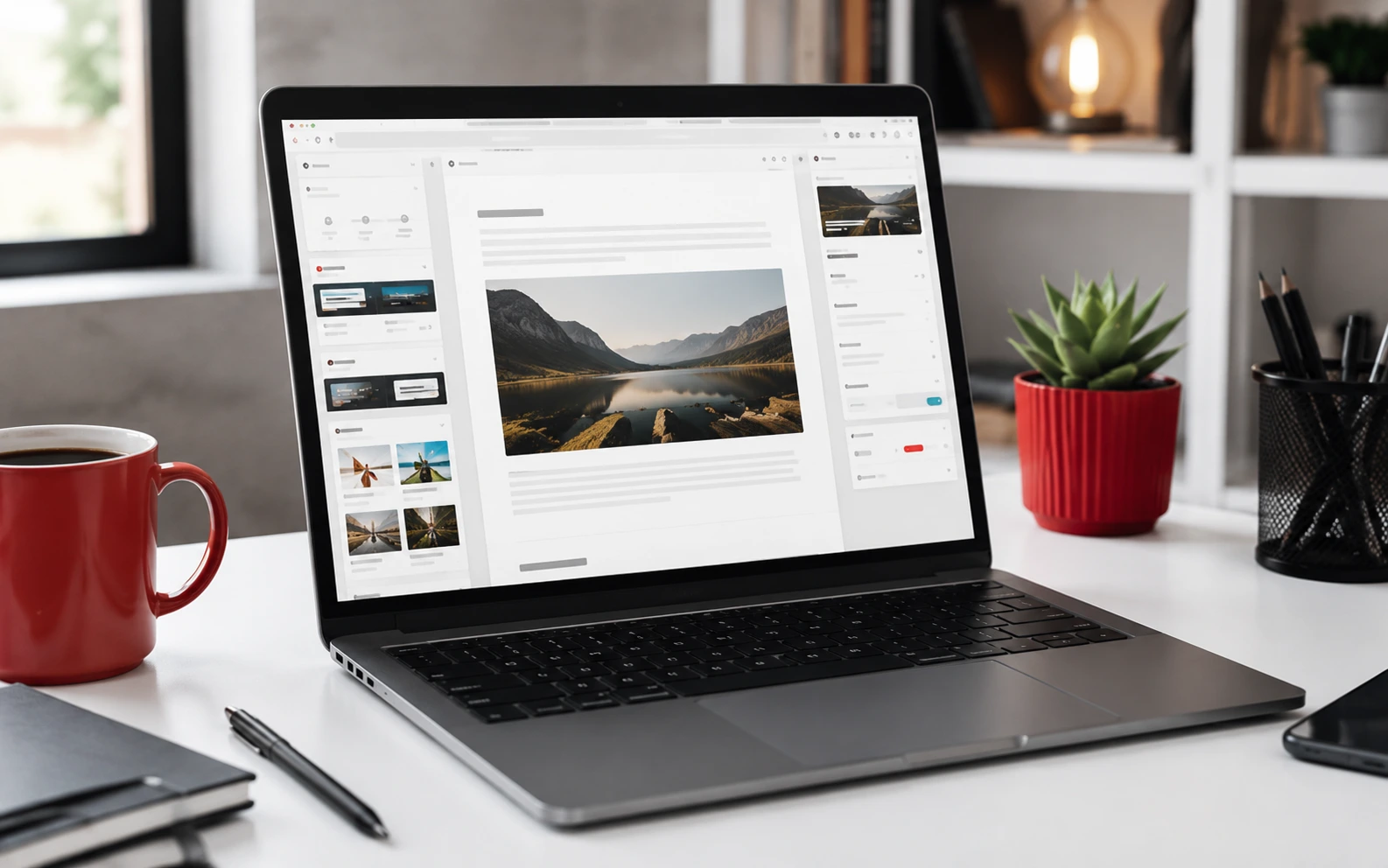
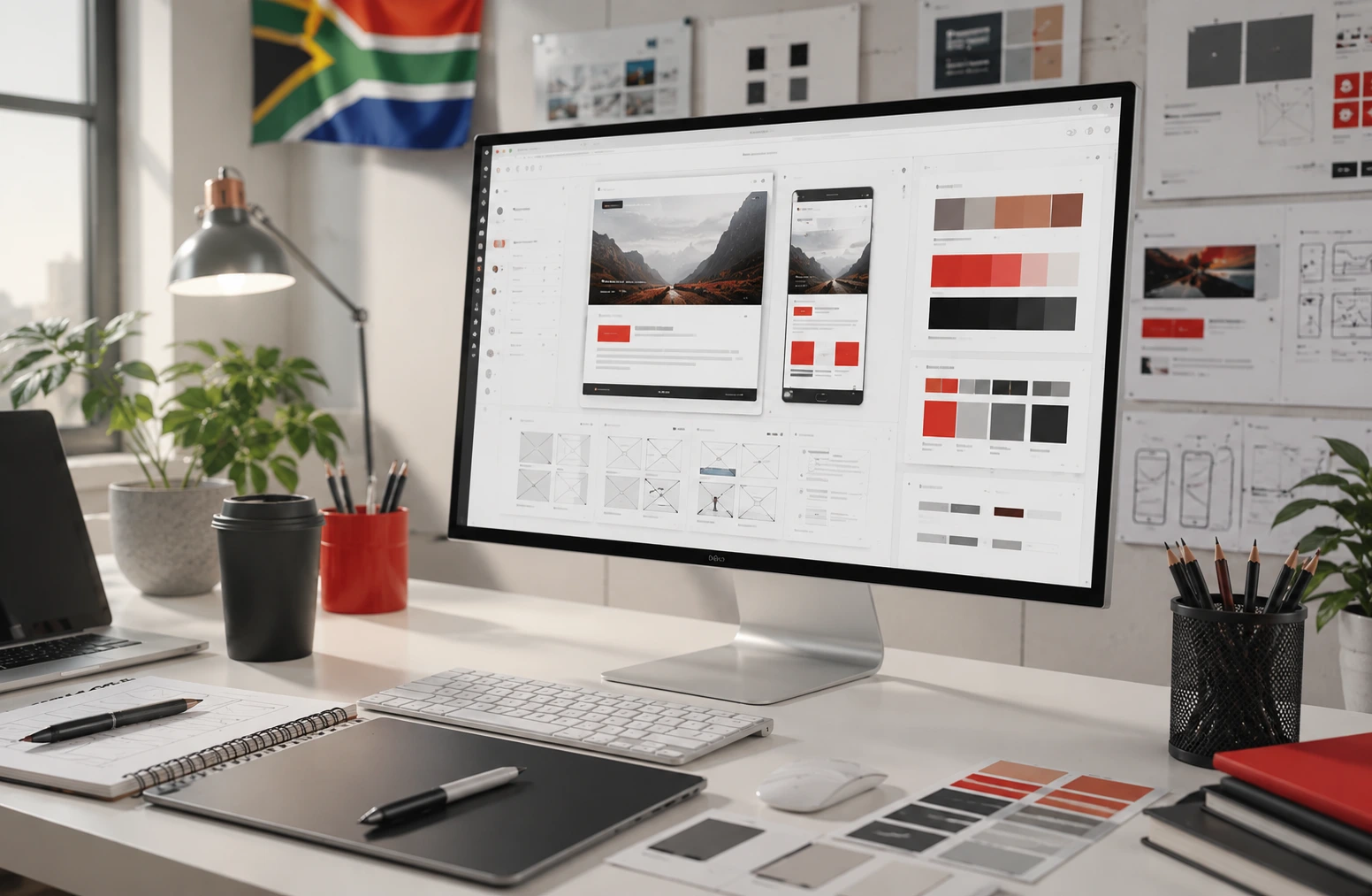
The best website builders for small businesses in 2026 have made it genuinely possible to launch a professional online presence without a developer, without coding skills, and without a large budget. The right platform depends on your business type, your technical comfort level, your design needs, and how much flexibility you need as your business grows. This guide compares the leading website builders honestly so you can make the right choice.
Top Website Builders Compared
Wix. The most popular drag-and-drop website builder globally. Wix offers over 900 customisable templates, AI-powered design assistance (Wix ADI), built-in e-commerce, booking systems, blogging, and an extensive app marketplace. Its editor is genuinely free-form — you can place elements anywhere on the canvas, which gives maximum design flexibility but can result in less consistent mobile layouts if not managed carefully. Wix plans start at approximately USD 17 per month for ad-free personal sites. E-commerce plans start at USD 27 per month. Strong choice for creative businesses, restaurants, and service providers.
Squarespace. The premium choice for design quality. Squarespace’s templates are widely regarded as the most visually refined in the website builder market, making it the top choice for photographers, designers, creative agencies, and any business where visual impression is paramount. Its editor is more constrained than Wix but produces more consistent results. Squarespace includes built-in e-commerce on all plans, with transaction fees on the lower tiers. Plans start at approximately USD 23 per month. Excellent for portfolio sites, lifestyle brands, and businesses that prioritise aesthetics.
WordPress.com. The hosted version of WordPress offers a middle ground between the simplicity of Wix and the power of self-hosted WordPress. The free plan is limited, but the paid plans provide access to thousands of themes and plugins while handling hosting and maintenance for you. For users who need WordPress’s extensive ecosystem without managing their own hosting, WordPress.com Personal starts at USD 9 per month.
Self-hosted WordPress (WordPress.org). The platform that powers over 40% of the web. Self-hosted WordPress requires separate hosting (from providers like Afrihost, Hetzner, or Xneelo in South Africa) and more setup than a website builder, but offers unmatched flexibility, control, and scalability. With a page builder like Elementor, non-technical users can build professional sites visually. The software is free; costs are limited to hosting (from R70 per month) and any premium themes or plugins you choose. The best long-term platform for businesses that take their online presence seriously.
Shopify. The dominant e-commerce platform globally. If selling online is your primary purpose, Shopify’s e-commerce infrastructure — inventory management, payment processing, shipping integration, abandoned cart recovery, and analytics — is significantly more powerful than the e-commerce add-ons offered by general-purpose website builders. Basic Shopify starts at USD 29 per month. In South Africa, Shopify integrates with PayFast and other local payment gateways. The right choice if online sales will drive most of your revenue.
Webflow. A professional web design tool that produces clean, custom-coded websites without requiring manual coding. Webflow is significantly more powerful than Wix or Squarespace but has a steeper learning curve. Well suited to designers and marketing teams that want pixel-perfect control and the ability to build custom animations and interactions. Starts at USD 14 per month.
What to Look for in a Website Builder
- Ease of use: Can you make changes to your site without needing help?
- Design quality and templates: Do the templates reflect the level of professionalism your brand needs?
- E-commerce capability: If you plan to sell online, does the platform support your products and preferred payment methods?
- SEO features: Can you set custom meta titles, meta descriptions, and URL slugs? Is there built-in sitemap generation?
- Performance: Does the platform produce fast-loading pages? Site speed directly affects both user experience and Google rankings.
- Scalability: Will this platform still work for your business in three to five years?
Which Website Builder Is Right for You?
For most South African small businesses wanting the simplest possible start, Wix offers the lowest barrier to entry and the most flexibility at its price point. For businesses where visual design is a competitive differentiator, Squarespace delivers the best templates. For e-commerce businesses, Shopify is the clear choice. For businesses serious about long-term growth, search visibility, and content marketing, self-hosted WordPress remains the most powerful and cost-effective platform available.